★★ (2 out of 4)
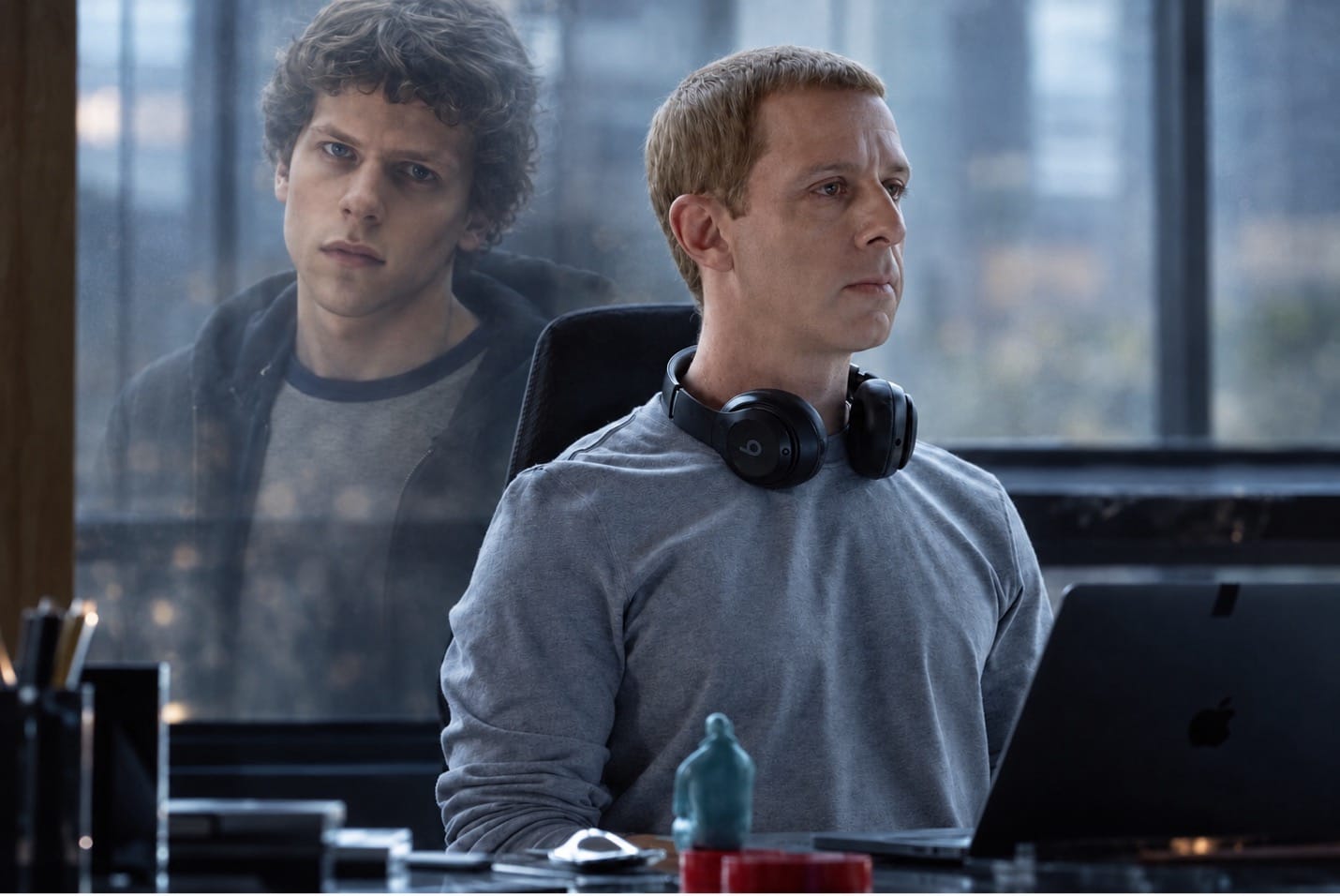
Aaron Sorkin, who won a deserved Oscar for writing “The Social Network” in 2010, says he wished David Fincher had directed the follow-up, “The Social Reckoning.” It’s hard not to agree. Even 16 years after its release, Fincher’s original remains one of the best and most thrillingly alive films of the 21st century. Raise your hand and slink away in shame if you still think “The King’s Speech” deserved Best Picture instead.
“The Social Reckoning,” now written and directed by Sorkin, is stuck trying to keep up. Fincher directed Sorkin’s ballsy script with dazzling cinematic fervor. Sorkin favors the dialogue too much, understandably since it’s his. To put it bluntly: Fincher knew what to do with the space between words. Sorkin does not since his script is a verbal avalanche. There are blazing flashes of insight to be sure, but no one’s around to provide structure, style and internal momentum. Who wants a lecture when seeing is believing?
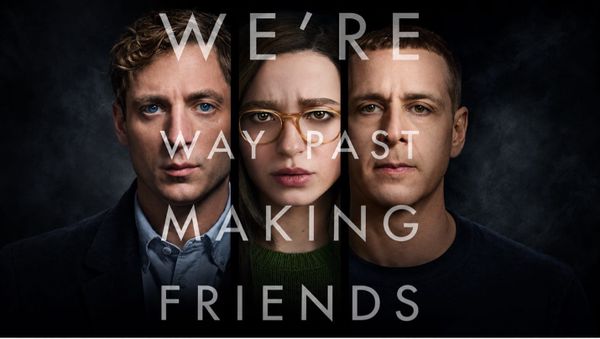
Another big miss is Jesse Eisenberg, a worthy Oscar nominee as Best Actor for playing Mark Zuckerberg as a petulant brat with a mind always racing past essentials like truth and consequence. Eisenberg declined the role. His replacement is Jeremy Strong, a Method proponent who etches years into Zuck’s boyish façade and a grudge so big it’s almost its own character. No knock on Strong’s reliably astute performance; the problem is there’s so little of it. He’s reduced to a supporting role, going through mock congressional hearings with a crisis management specialist (“Sinners” Oscar nominee Wunmi Mosaku doing what she can with little) tasked with turning this robot into a relatable human.
But Zuckerberg is not the tale “The Social Reckoning” is telling. It’s a different story, a gotcha story, a kind of cut-rate “All the President’s Men” in which a whistleblower and a reporter for the Washington Post try and fail to bring down Zuck’s toxic empire of digital influence. Set between 2019 and 2021, ancient history in an era where speed is of the essence, “The Social Reckoning” probes how Facebook impacts the culture around major events such as COVID and the January 6th insurrection, listlessly evoked here.
Toning down the lap-dancer fire and sneaky intelligence she brought to her Oscar-winning role in “Anora,” Mikey Madison gets all frowny serious as real-life Facebook data engineer Frances Haugen, a company loyalist until, well, she isn’t. She starts working as a source for The Wall Street Journal investigative reporter Jeff Horwitz (Jeremy Allen White, happily less mopey than his Springsteen), who doesn’t understand her lingo. “I thought you were a tech reporter,” she berates him. “Ish,” he replies.
“ish” might also apply to how deep Sorkin’s script goes into telling us what we already know about the crimes and misdemeanors of billionaire tech bros. Sorkin marshals the facts about how Zuckerberg’s services harm teen mental health—particularly regarding body image, addiction, and anxiety, forcing his company (Meta) into active litigation over youth addiction. Also, he posits how the platform's algorithms prioritize sensationalism and anger to boost engagement, which fuels political polarization and societal division. Blamed for failing to curb fake news, foreign election interference and the spread of inflammatory content or hate speech linked to real-world violence, Meta and its offenses brought Haugen to famously testify that the company consistently "prioritizes profit over safety."
Sermons and moral superiority seldom cohere as cinema. They certainly don’t here.
I don’t kid myself about the concept of an “informed public.” And Sorkin is skilled at distilling complex concepts into digestible bites. “The Social Reckoning” is entertaining as far as it goes. Madison and White banter comically to make the medicine go down. But it all feels like window-dressing. The facts are truly scary, with Facebook boasting 3 billion monthly active users worldwide, and 43 percent of adults now getting their news from that platform. But Sorkin can’t make us feel the urgency in a way that gets under our skin.
Sermons and moral superiority seldom cohere as cinema. They certainly don’t here. What worked in “The Social Network” was how Sorkin, in tandem with Fincher’s visionary reach and knack for cutting to the bone, showed us how Zuckerberg made billions by helping technology win the battle against actual human contact, creating the nation of narcissists we’ve become, reshaping who we are on Facebook in the hope of being friended by other users who may or may not be lying their asses off. “The Social Reckoning” believes more in tell than show. The difference is “The Social Network” felt personal while “The Social Reckoning” feels self-righteous. It made me want to log off. I dare you to friend that.