
★★★½ (3½ out of 4)
Few movie years kick off with a film as startling and suspenseful as “The Plague,” from first-time writer-director Charlie Polinger. Welcome Charlie, you look like you’re in it to win it and nothing can stop you now. Not bad for a beginner. We’ll be watching.
It’s somewhere in New England in the summer of 2003 and boys, aged 12 and 13, are enrolled in the Tom Lerner Water Polo Camp. The newcomer in this cliquish group of posh boys is Ben, beautifully played by Everett Blunck. With his parents separated, lonely Ben is eager to fit in, well, anywhere. Nothing to it, according to team leader Jake (a deceptively cherubic Kayo Martin) as long as Ben steers way clear of social outcast Eli (Kenny Rasmussen).
Ben can’t see anything wrong with Eli, except a mild rash on his back. Since that’s a place Eli can’t reach, Ben helps him rub on some healing lotion. That’s a spark for all hell to break loose. Now Ben also has the plague, a handy symbol for the sin of being uncool, of being different. Body horror becomes the bridge to all kinds of torture done in the name of conformity.
There are scare scenes with bugs and scissors that will have you jumping out of your seat. But it’s the violence of the adolescent mind that hits hardest and haunts you longest.
If you’re thinking “Lord of the Flies,” you’re getting warm. William Golding’s 1954 novel about schoolboys who turn savage when cut off from civilization isn’t so much read as taught— drummed into the heads of students as a bitter allegory to expose the beast in man. Peter Brook’s 1963 film version stressed every symbol with punishing didacticism.
Luckily, Polinger’s eerie, elegant images speak for themselves with a fierce directness. The filmmaker is on the record as saying that the film is based on his own journals from water polo camp in 2003. And you can feel the fear and fervency in every scene.
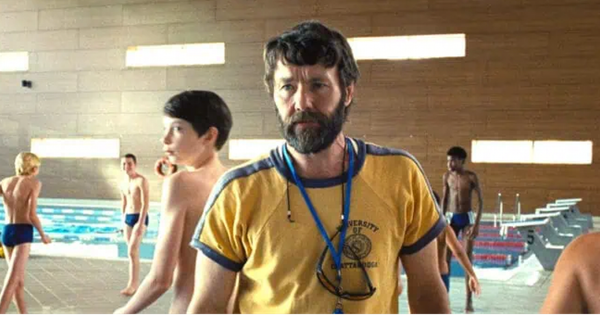
The presence of adults is nominal at best, with the exception of the coach, absurdly known as Daddy Wigs. Forced to utter every banality about the need for rah-rah teamwork, Edgerton still finds thwarted energy in the space between words, in the frustration of knowing how empathy cannot be taught but only learned by example.
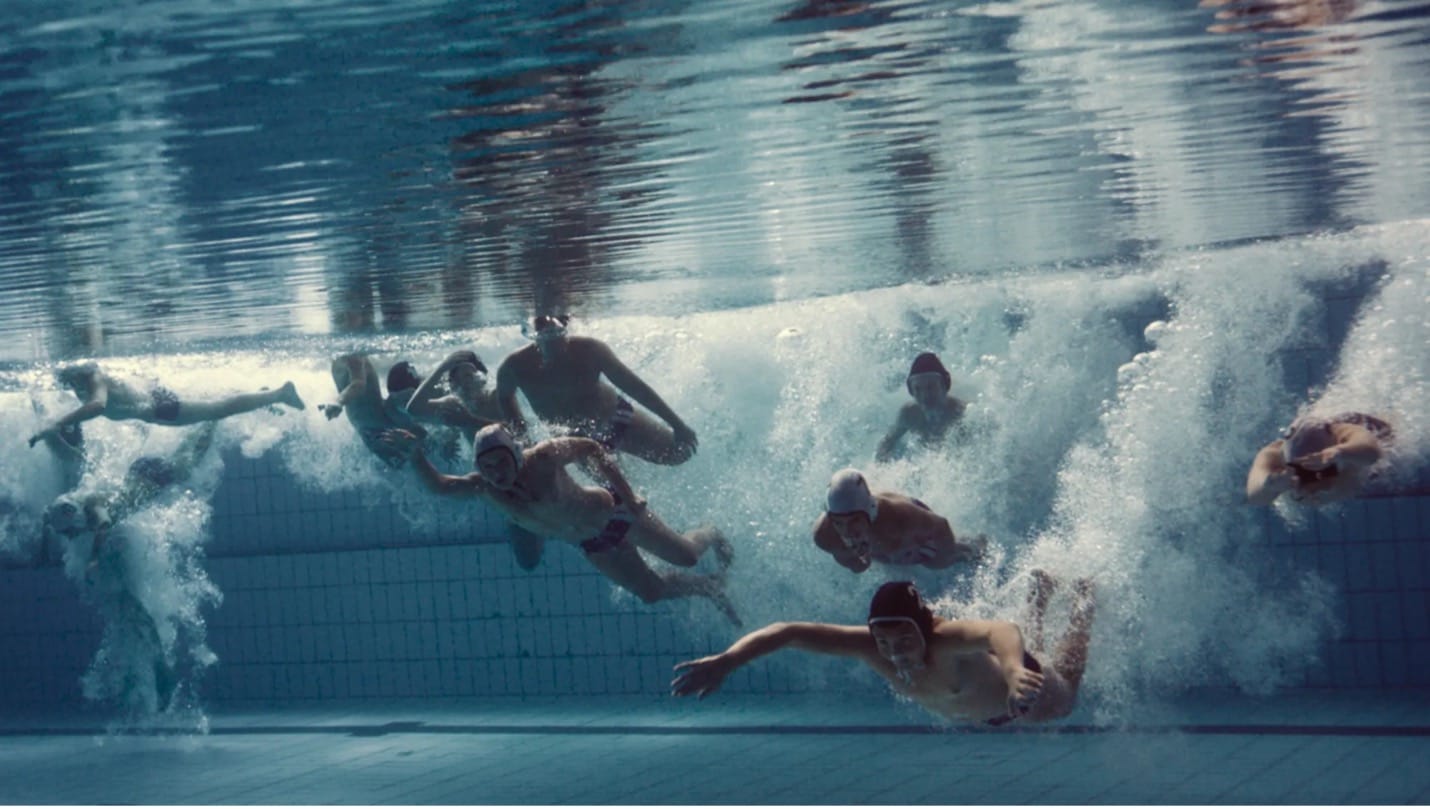
Early on, Edgerton had wanted to direct Polinger’s script. But the finished movie shows the right artist did the job. All the technical elements come up aces, from the pulsating score and vocalizations by Johan Lenox to the camera wizardry of Steven Breckon, who can make underwater shots of legs dangling in a pool look like tentacles from marauding beasts.
And sometimes they are. Using children and the body stink of puberty to show how early the roots of bullying dig in, “The Plague” is a provocation seeking answers that can’t be spelled out in a single movie, much less a sermon. There are scare scenes with bugs and scissors that will have you jumping out of your seat. But it’s the violence of the adolescent mind that hits hardest and haunts you longest. “The Plague” means to shake you and, oh boy, does it ever.