
★★½ (2½ out of 4)
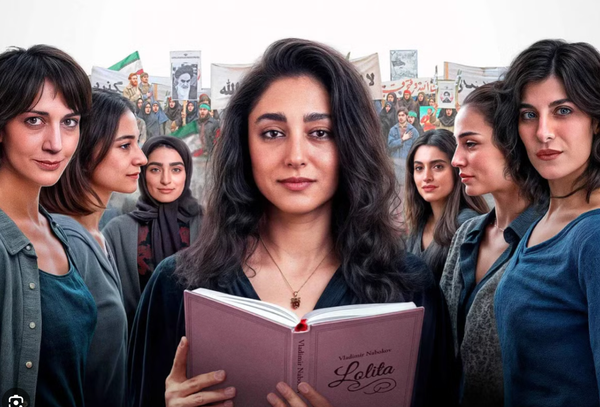
Sometimes the truth really is stranger than fiction. Such is the case in “Reading Lolita in Tehran,” a loaded title if there ever was one. Based on a memoir written by Iranian-American author and academic Azar Nafisi, the film recounts her real-life experiences living in Iran after the Islamic Revolution, where she was fired from the University of Tehran for refusing to wear a hijab and for teaching unapproved literature.
To continue teaching, she formed a clandestine, all-female book club at her home, inviting seven of her most dedicated former students to discuss banned Western classics, such as Vladimir Nabokov's Lolita and F. Scott Fitzgerald's The Great Gatsby. Like many memoirs, some specific details and names were altered to protect the identities and safety of the women who participated in the underground group. In a telling note, the film had to be shot in Italy to double for Iran as restrictive policies gained a powerful hold. Admirers of the book are likely to have issues with the changes made on the tale’s journey to the screen.
In its championing of female rights, this film feels as urgent and timely as the conflict over the Strait of Hormuz.
Working from a script he cowrote with Marjorie David, Israeli director Eran Riklis (“The Lemon Tree, “The Syrian Bride”) hammers home points that would benefit from a subtle touch that didn’t feel the need to spell out every point. What’s missing is nuance, the very thing Nafisi values most in her favorite books.
The four chapters in the film revolve around a quartet of forbidden novels. “Gatsby” for 1979, 1995 for “Lolita,” 1988 for Henry James’s “Daisy Miller” and 1996 for Jane Austin’s “Pride and Prejudice.” Today, the book banning strikes a raw nerve in America, the country the women once regarded as a haven for freedom seekers.
According to reports from organizations that monitor censorship, states like Florida, Texas, and North Carolina have implemented stringent regulations that target books containing controversial themes—particularly those addressing race, gender identity, and sexuality.
In 1979, Nafisi (a fiercely committed Golshifteh Farahani) and her husband Bijan (Arash Marandi) returned to Iran. Ayatollah Khomeini had just come to power, and Nafisi—along with many other returnees—saw a chance for change. Nafisi wanted to teach Iranian university students and live in the country she loved, which she left as a teenager to continue her studies.
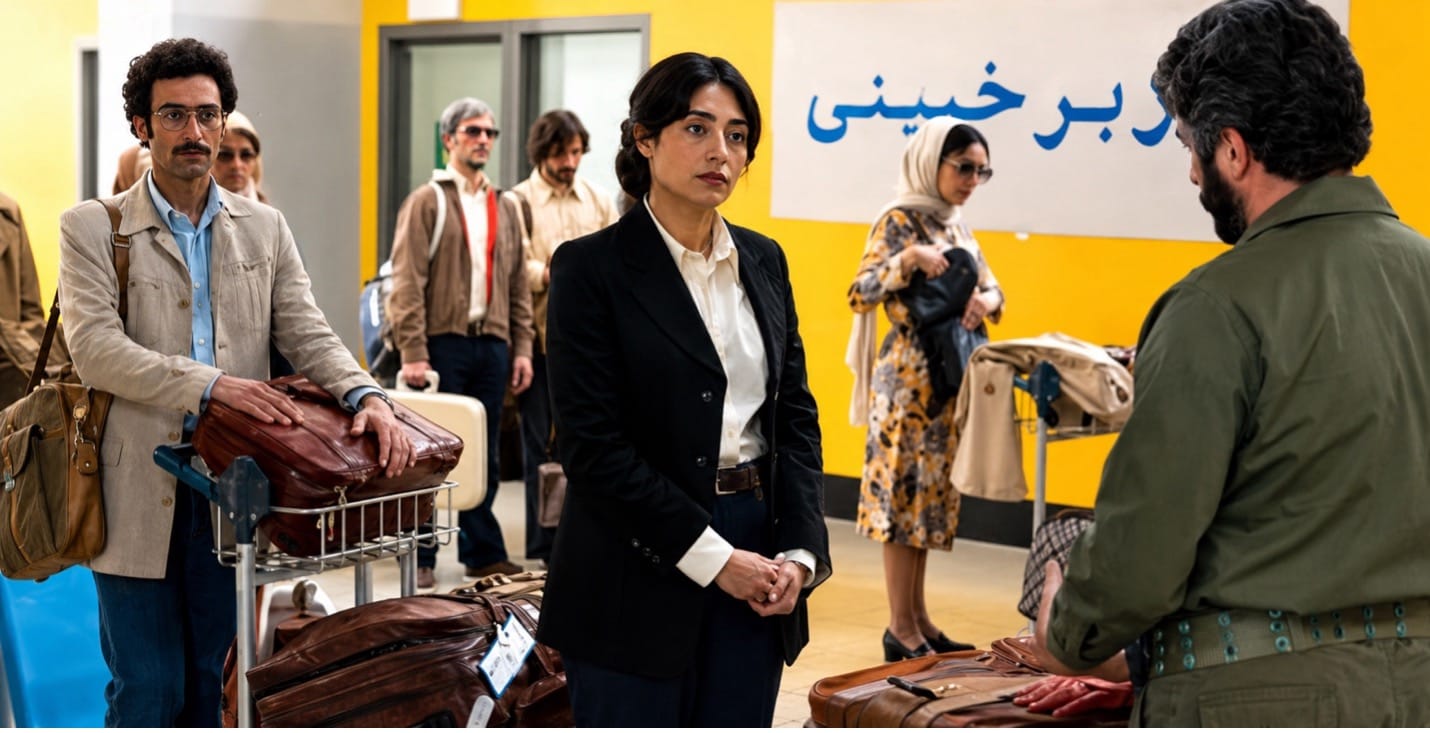
Those dreams are easily shattered when she’s quickly introduced to the new Iran at school. Out to bring “The Great Gatsby” up for debate in her class, she inspires a literary trial. She also angers male members of the class, who are newly empowered to disenfranchise females. The shock of the system registers for Azar, who’s also confronted by a new “Islamic Hijab Law,” forced to cover herself to continue doing business in public, and she hates submitting to such control.
One student (the excellent Zar Amir Ebrahimi) is arrested and subjected to a forced virginity test after an arrest. She was also given a 25-lash sentence. When the film compares such harsh treatment of women in modern Iran to a fight for female liberation in the great works of western literature, Riklis’s film catches a problem that feels as urgent and timely as the conflict over the Strait of Hormuz. “Reading Lolita in Tehran” never comes close to sustaining the depth charge of its best scenes, but when it does, watch out. This baby bites.