
★★★ (3 out of 4)
With D-Day just around the corner on June 6, the movie of the week for history buffs is definitely “Pressure,” now in theaters to commemorate a WWII battle that changed history. Not bad for a movie about weather. You heard right. “Pressure” is a stirring war drama that takes place mostly indoors with white men in uniforms arguing about ideal climate conditions to bomb the hell out of the beaches of Normandy.
If you want spectacle, catch the stunning opening of “Saving Private Ryan,” Steven Spielberg’s shattering depiction of the Allied Forces landing in France on Normandy Beach on June 6, 1944. If you want to understand the behind-the-scenes struggle, “Pressure” is the epic for you. It’s already been called “the ‘Saving Private Ryan’ of meteorology.” OK, it’s also been called a “dad movie” likely to induce dozing. The truth lies in between.
Based on the 2014 stage play by David Haig, “Pressure” is directed by Aussie Anthony Maras (“Hotel Mumbai”) from a script he wrote with Haig. The choking intensity of the theater is all over it. It’s the actors who blow the dust off history by bringing flesh-and-blood force to the clashing personalities at the heart of this pivotal true story.
Is it ‘the Saving Private Ryan of meteorology’ or a ‘dad movie’ likely to induce dozing? The truth lies in between.
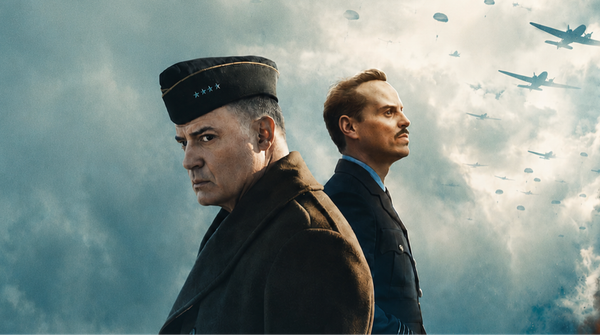
Oscar winner Brendan Fraser gets the big kahuna role as Gen. Dwight D. Eisenhower, the Supreme Allied Commander and future POTUS who would make the ultimate decision about when to invade. A burly Fraser gives the role a commanding presence, but little else.
The nuance comes from the man under the most pressure but most determined not to show it. That would be Capt. James Stagg, the RAF meteorologist brilliantly played by Dublin-born Andrew Scott whose versatility ranges from “Hamlet” and “Ripley” to the hot priest in “Fleabag” and Richard Rodgers in “Blue Moon.” Scott, 49, has a gift for uncovering the secret heart of introverts who hide behind rigid exteriors.
And that gift comes in handy for Capt. Stagg, whom Eisenhower once described as a “dour but canny Scot.” Stagg’s son Peter said his father had been “very polite.” But, he added, “if somebody deserved a rollicking, my father would give it to him.”
Those qualities are all visible in Scott’s performance, especially when the stakes are raised, as they are when Stagg locks horns over methodology and interpretation with his self-assured American counterpart Irving Krick (a take-charge Chris Messina), a favorite of Ike’s since their days in North Africa.
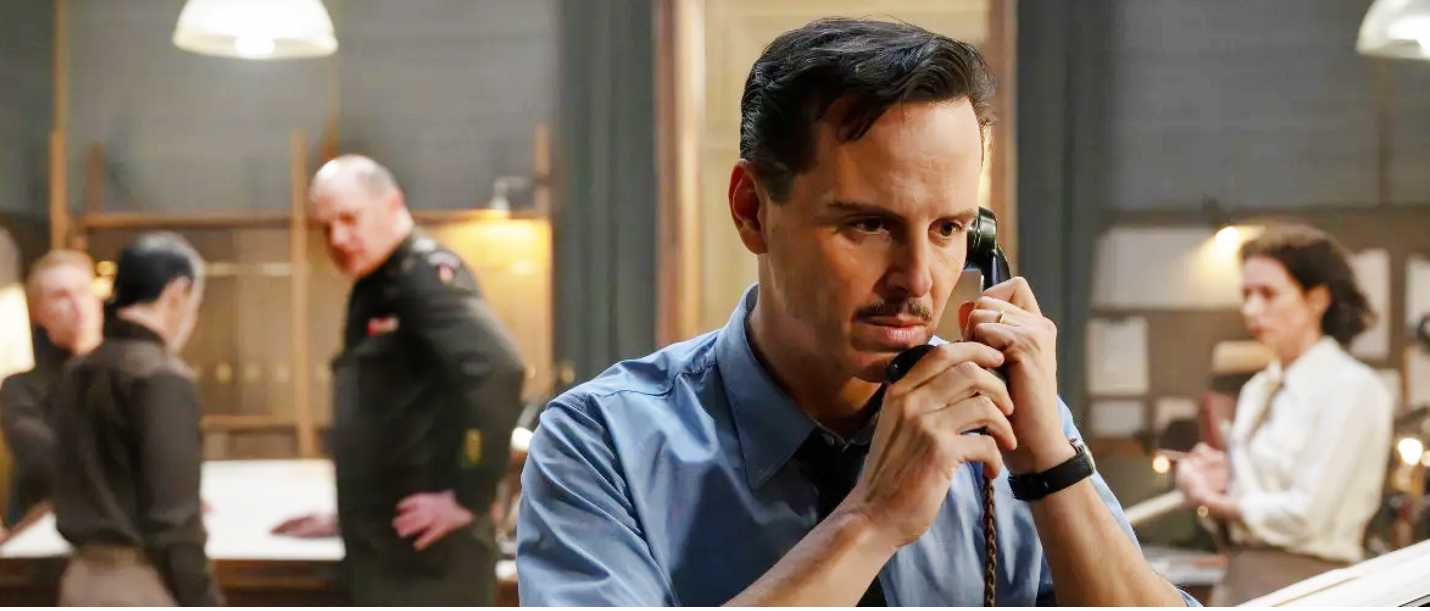
Set during the tense 72 hours leading up to D-Day, the film follows Stagg and Krick as they try to influence the general on the right time and weather conditions for the Allied invasion of Nazi-occupied France to proceed. Krick wants to stick with the original date of June 5, while Stagg thinks conditions will improve a day later. We all know what happened, but suspense is generated, nonetheless.
“Pressure” has already been rightly praised by historians for its adherence to fact over Hollywood dramatics. The crux of the matter being that Krick relied on historic weather data while Stagg preferred a more modern lens. It sounds dry, I know, but these actors keep you engaged even when there are a few too many scenes of men pointing at maps.
Other characters are also introduced. Damian Lewis shows up to play Field Marshall Montgomery as a martinet who bristles at any change in plan. And Kerry Condon, an Oscar nominee for “The Banshees of Inisherin,” plays Ike’s shrewd assistant Kay Summersby, who wrote after the war of her love affair with the general.
Make no mistake, though, except for a few scenes of the invasion near the end, “Pressure” is a movie about the hothouse atmosphere of decision making and the tug-of-war between Stagg and Krick to persuade Ike to see the weather their way. Hardly the stuff to pin you to your seat, but against all odds, “Pressure” does just exactly that.