
★★★½ (3½ out of 4)
You may recall that back in January a movie called “Josephine,” about a little girl who witnesses a sex crime, wowed the Sundance Film Festival by winning the Grand Jury Prize and the Audience Award. Less than a year later, “Josephine” is barely on the Oscar radar. What happened? It could be short memories. Or it could be the graphic nature of the material. What this emotional powerhouse should not be is neglected.
Director Beth de Araújo wrote “Josephine” from her own experience of something she lived through at age eight. She and her father came upon a rape in San Francisco’s Golden Gate Park. He chased the attacker, and police put her in the back of a squad car with the survivor. Her parents avoided talking about it, maybe they didn’t know how, but the trauma of the event stuck and this film knows in its bones how unexamined feelings can fester.
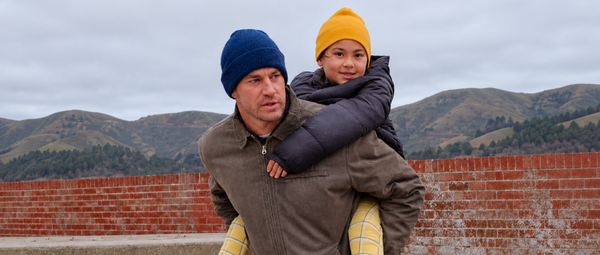
The film begins with as a father-daughter outing, with dad Damien (an outstanding Channing Tatum showing signs of fear under the macho bluster) trying to prep Josephine (newcomer Mason Reeves) for soccer practice. Mom Claire (the excellent Gemma Chan) is otherwise occupied with dance exercises. But Jo is about to have her life irrevocably altered. Just watch Reeves as she gives one of the best child performances in film history.
An emotional powerhouse...
On this early Sunday morning, soccer practice is on the agenda. That is until the energetic Jo, as dad calls her, playfully runs ahead of her ship-shape old man. She takes one fork in the road, he takes another. That leaves Joe near a park rest room where she spots a strange man (Philip Ettinger) following a young woman (Syra McCarthy), knocking her down and choking her as he pulls down his pants and she screams and screams.
De Araújo shoots the rape from a distance, from the point of view of a child who can’t grasp what’s going on. She stands shocked and immobile as the man runs in her direction. That’s when Damien shows up, chasing and apprehending the attacker. Later, in a police car, Jo is placed in the backseat crammed next to the shaking victim who can’t speak. Reeves’s eyes are a mirror to the confusion Jo is feeling, each detail fully drawn from De Araújo’s own bruised memories.
What could feel contrived instead emerges as shockingly urgent, thanks to the director’s sensitive treatment of what she lived through. I remember holding my breath as these details unravel. That includes later scenes where Jo’s parents seem helpless. Damien takes the literal approach, enrolling Jo in a self-defense course. Mom thinks therapy is the way. Neither has a clue how to answer Jo’s questions, which she externalizes by acting out in school. Jo is an open wound with the usual resources clueless about how to treat it.
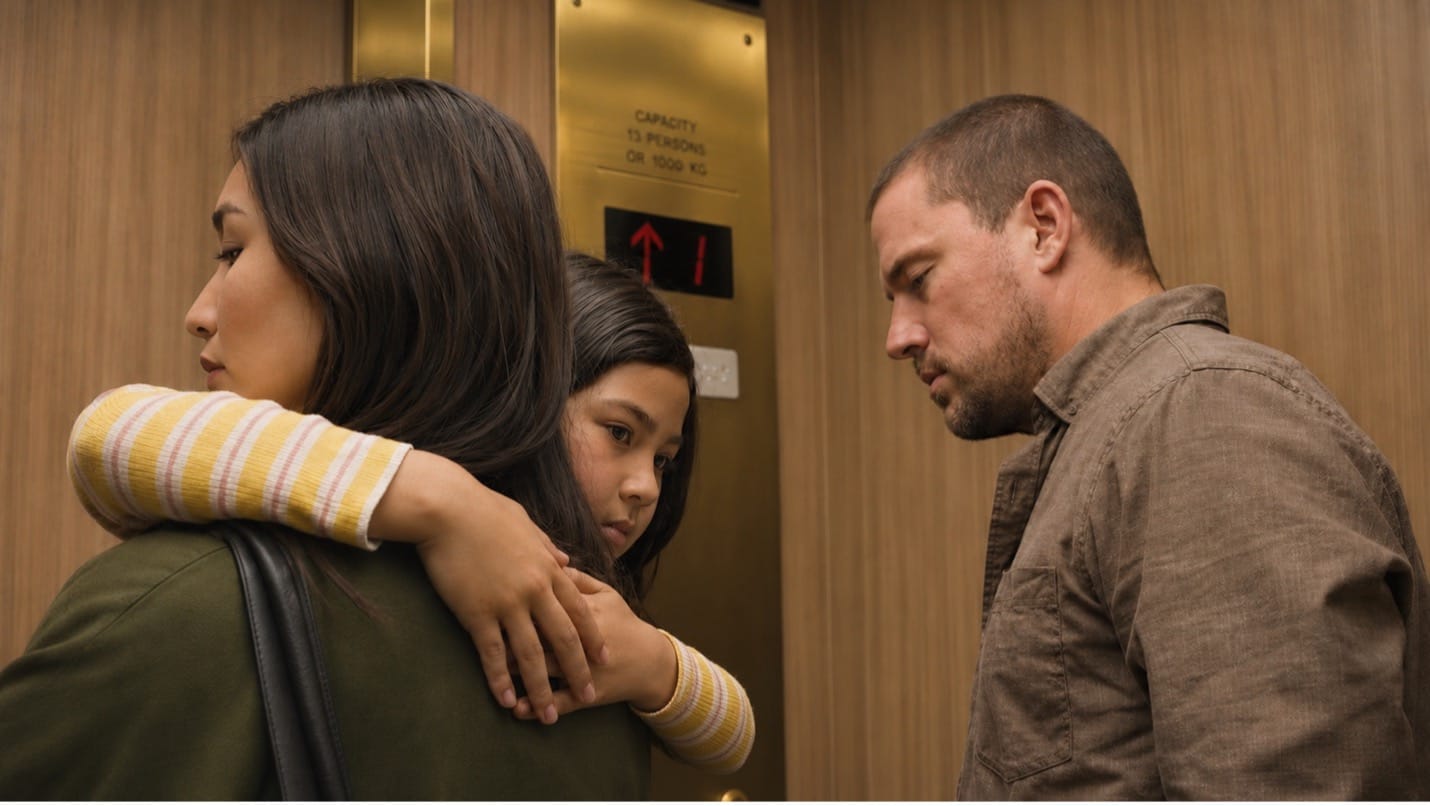
Some of the courtroom scenes are overdramatized, even pushed into melodrama. But there is no question about the shattering impact of Reeves as a child lost in an adult world that even real adults can’t handle. De Araújo wants to show us the devastation she endured in her youth, and through the haunted eyes of the once happy Jo, we feel her desolation.
Delicate business is being transacted here (in real life, the dad took the stand) and Jo starts seeing visions of the rapist who sits next to her in her room, among her toys, a specter of a violent act that won’t go away. He neither speaks nor threatens, but he makes his presence a constant that feels scarily permanent. In her chilling debut film, 2022’s “Soft & Quiet,” De Araújo tackled white supremacy in one long shivery take. But “Josephine,” with its child’s view of the unspeakable that desperately needs to be spoken, will haunt you.
De Araújo withholds the verdict in the rape case, knowing that a court decision can do nothing to ease the agony of a child forced into an adult world. I keep coming back to that squad car scene where the rape survivor sits on her hands to stop them from shaking. By the time “Josephine” is over, you’ll know the feeling.